How foraging changed my relationship to cycling
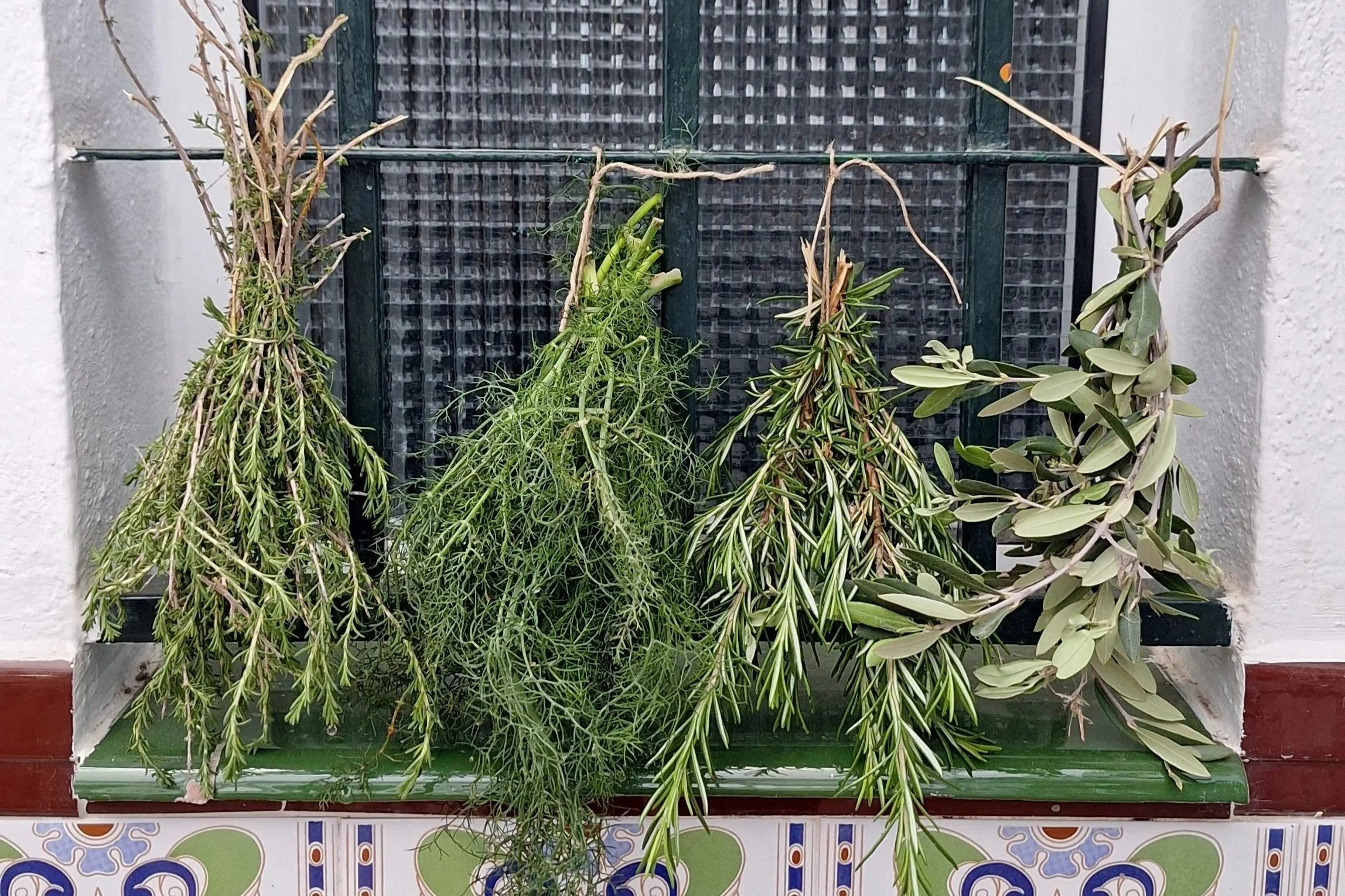
‘Can I eat this?’ and ‘Can I make rope with this?’ are now two questions I regularly ask myself when walking past a plant. I have recently developed an interest in foraging and bushcraft, and it has done much more than give me a new hobby to obsess over. It has dramatically changed my relationship to nature and it has helped me to rediscover my love of cycling.
Riding far, seeing little
A few years ago, I tried my hand at ultra-endurance cycling events. I traded in cycling on a light road bike with my club, trying to push up the average speed in a friendly competition, to spending 14 hours a day in the saddle on a bike made heavy by camping gear and a change of clothes. I thought it was a good way to spend more time outdoors exploring the UK and Europe while pushing my limits. My endless, sometimes gruelling practice rides used to involve as few breaks as possible. At the height of my endurance training, I only allowed myself a thirty-minute break for every four hours of riding. Most of my memories from those riding days involve various colours and qualities of tarmac and the occasional mountain view. I thought I was in nature, but I wasn’t really. I now feel like I was barely scraping the surface of what the outdoors had to offer. It was as though I was moving across a very shallow plane, oblivious to its marvels.
I realised that cycling sleep-deprived and putting my stomach through a ‘whatever the next village shop has to offer’ diet was making me regret ever getting on a bike, so I stopped competing altogether and tried to approach my favourite sport in a new way.
Without the pressure to keep moving, I started lingering in places I would previously have ignored. Nowadays, I come home from each of my day rides with a surprise. Like a six-year-old, I like to stop and collect sticks and flowers. I have found increasingly inventive ways to wedge what I collect between bike cables or under backpack straps. My repair kit includes a tiny saw, so I don’t have to pass up a good opportunity to take home a small section of a fallen stick if it has the potential to be carved into a spoon.
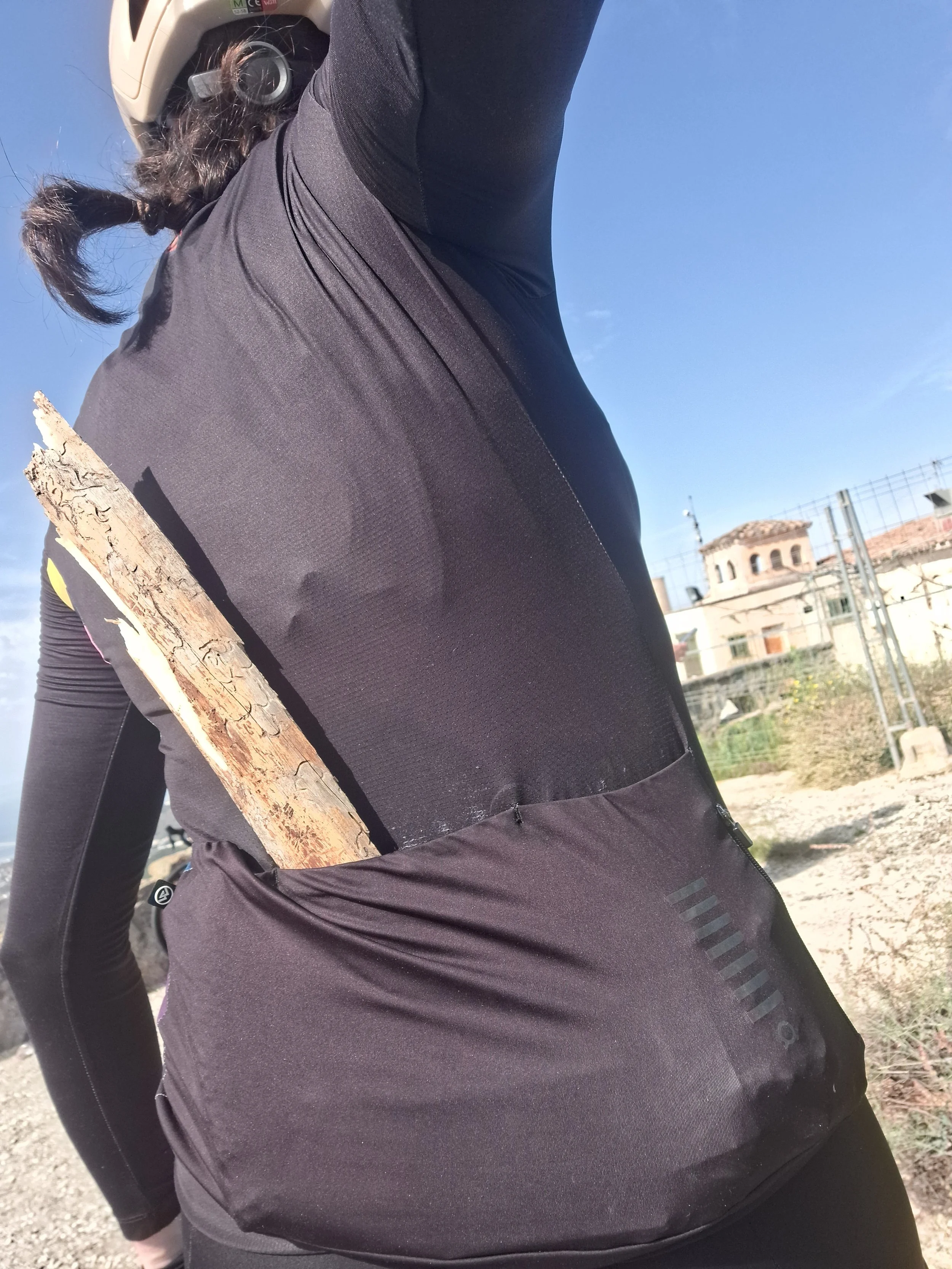
The difference between me and a six-year-old is that my favourite toys involve very sharp knives, and I have developed a reasonable understanding of tree varieties, the different properties of their wood, and their suitability for whittling. At the same time, I have also taken a deep dive into foraging. I don’t hunt or fish; my foraging only involves gathering plants to eat. Foraging and bushcraft go hand in hand; if you’re looking for the perfect stick, you’ll notice many plants along the way, so you may as well know if they could make a good snack.
Up until two years ago, I had foraged the occasional bay leaves or thyme on a walk, but I didn’t feel confident to experiment on my own. So I went on a day-long foraging course that taught me some tips and tricks, a few seasonal plants, and most importantly, inspired me to go a little further.
The course didn’t so much teach me plants as change what I was able to notice. Can you recognise a hawthorn bush? Two years ago, I couldn’t. Hawthorn is the most common hedge plant in the UK, and widespread across much of Western Europe. Its leaves, flowers and berries are all edible, and reputed to be very healthy. As it turns out, they are also very tasty, once you get past the slightly off-smell of the flowers and the hard work involved in removing the pits from the soft, red fruit.
Learning to notice
Imagine walking into a building and not having the first clue what most objects are, labelling everything simply as ‘furniture’. That is what many of us do with plants.
You never know what you’re going to get on a foraging spree. And you can be sure that on the hike you take specifically looking for fig leaves, you’ll come home with four other plants, without having passed a single fig tree. That is the point. You have to look continuously, though not necessarily in an active way. You simply have to pay attention.
I lived near a large heath for three years and would walk or jog around it weekly. In the first two years, I could not have named more than two common species growing there. By the third year, I could tell which side of the heath held more wet or dry wood, where the most prolific hawthorn bushes were, and where the sloe bushes grew most densely. Once I started gathering wild fruit and sticks, I realised I wasn’t alone. I never once bumped into anyone picking sloes, but I could see how the edges of large bushes were quickly stripped of fruit in season, while the higher branches deeper in the heath kept their inaccessible, bird-restricted bounty.
I haven’t become a botanist, and I still know relatively few plants by name. But I have become a better observer. More than that, I have realised how poor an observer I once was. My internal clock has been reset to a different set of seasonal rhythms. I travelled from the UK to Spain a few weeks ago. It was springtime in both countries, but more specifically, it was magnolia flower season in the UK, which had already come and gone in Spain, where it was wisteria bloom season. Both plants offer edible parts, by the way.
Foraging has been helpful in recreating my link with nature, which humans once considered innate and necessary. Without romanticising demanding lifestyles where people have to spend several hours a day looking for food, I want to avoid walking past food not knowing it is there.
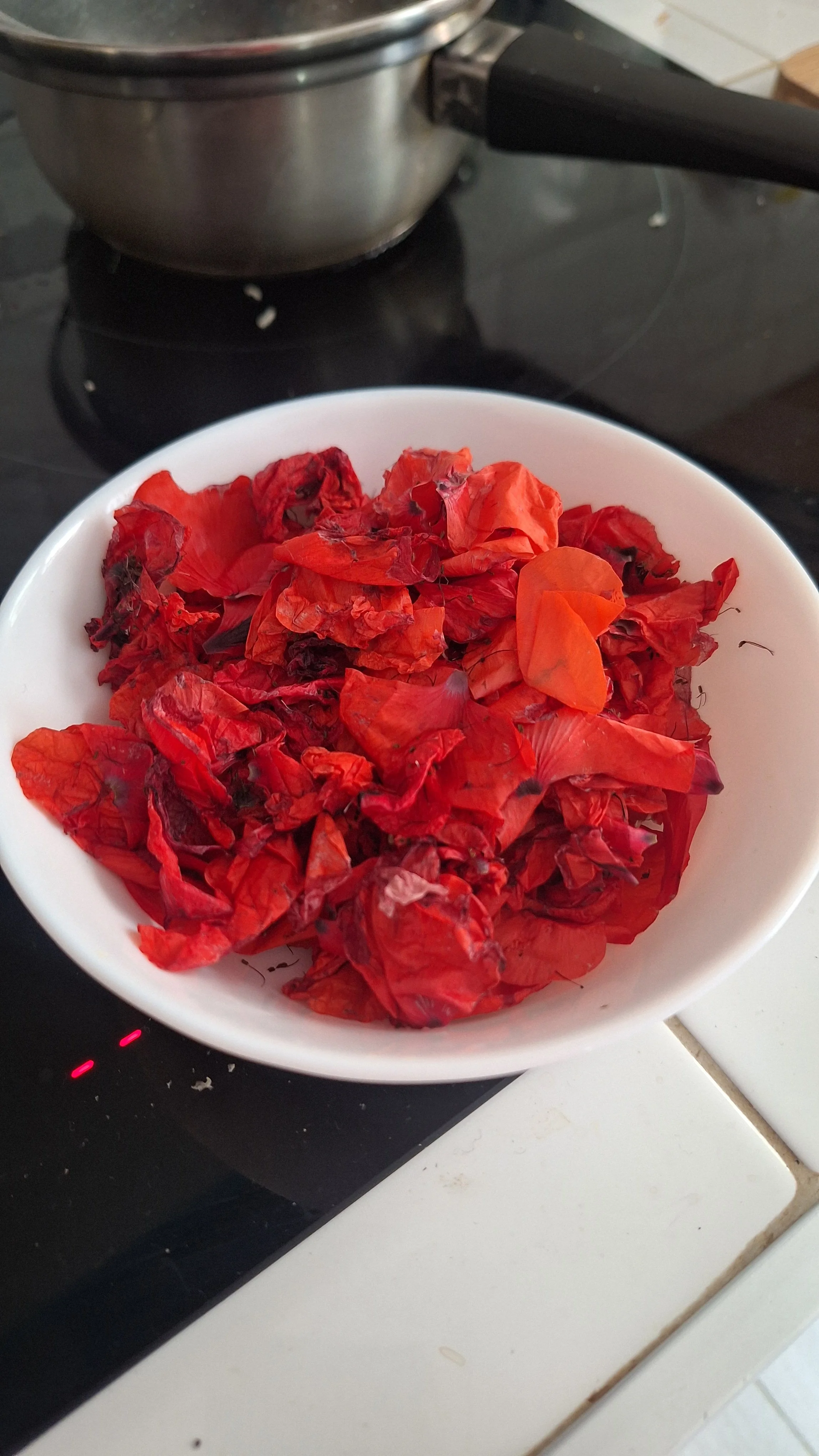
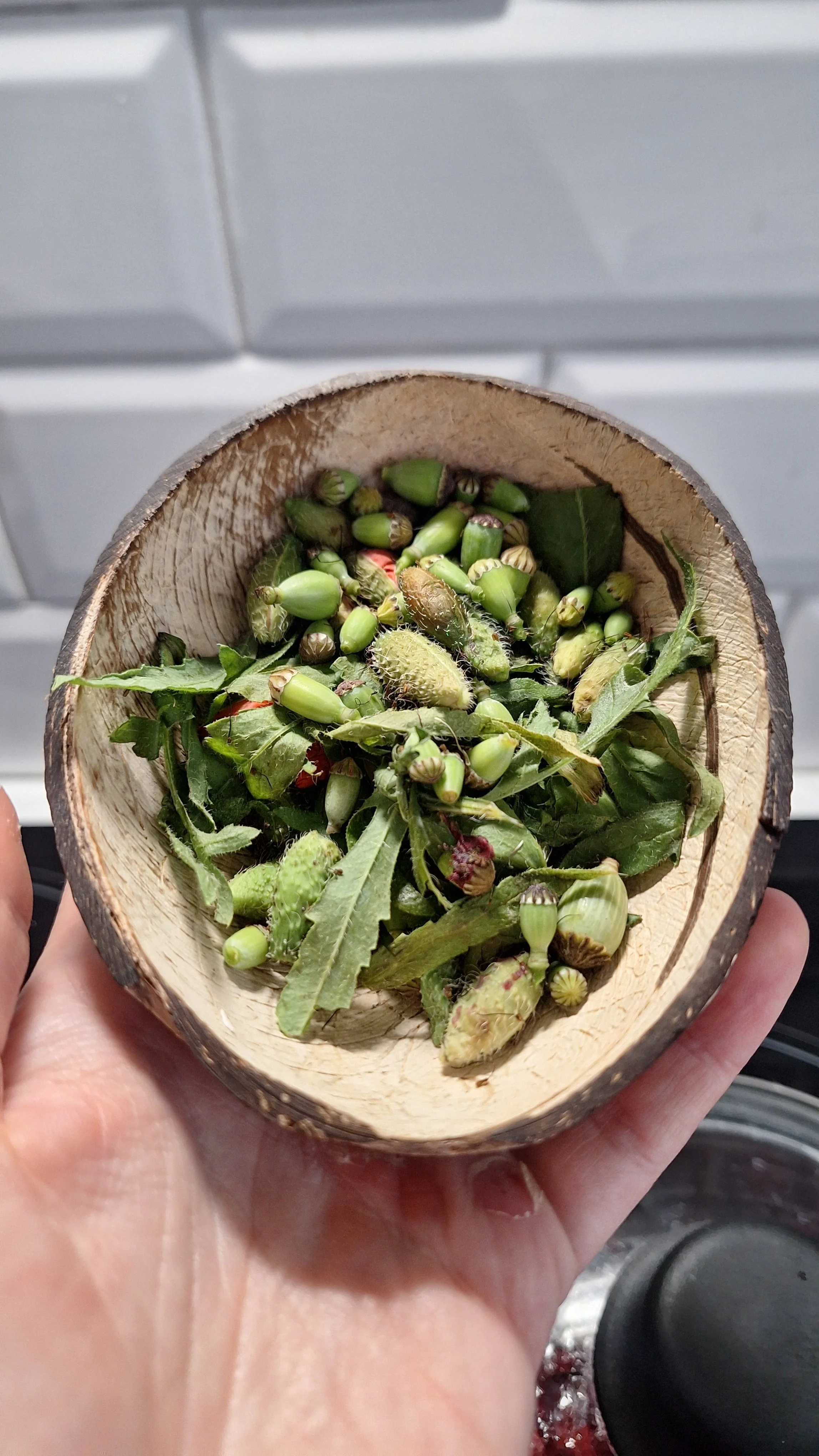
A changed landscape
The same roads, the same hedgerows, the same stretches of quiet ground that I have known for the last ten years look very different to me now. Whether it was spending a few minutes trying to identify plants in my local park, wondering if the flowers I already recognised might actually be edible (quite a few, as it turns out), or gradually taking a deeper interest in foraging, it all shifted something. I started to feel less like I was passing through nature, and more like I was part of it. I still love going on long bike rides, seeing how much elevation I can rack up in a day, but I notice what’s around me instead of just snapping a picture at the viewpoint. Instead of going out to compete with myself, I now go out to meet the mountain or valley, see what it has to say that day.
