Rethinking Wealth: Why I Chose Time Over Money
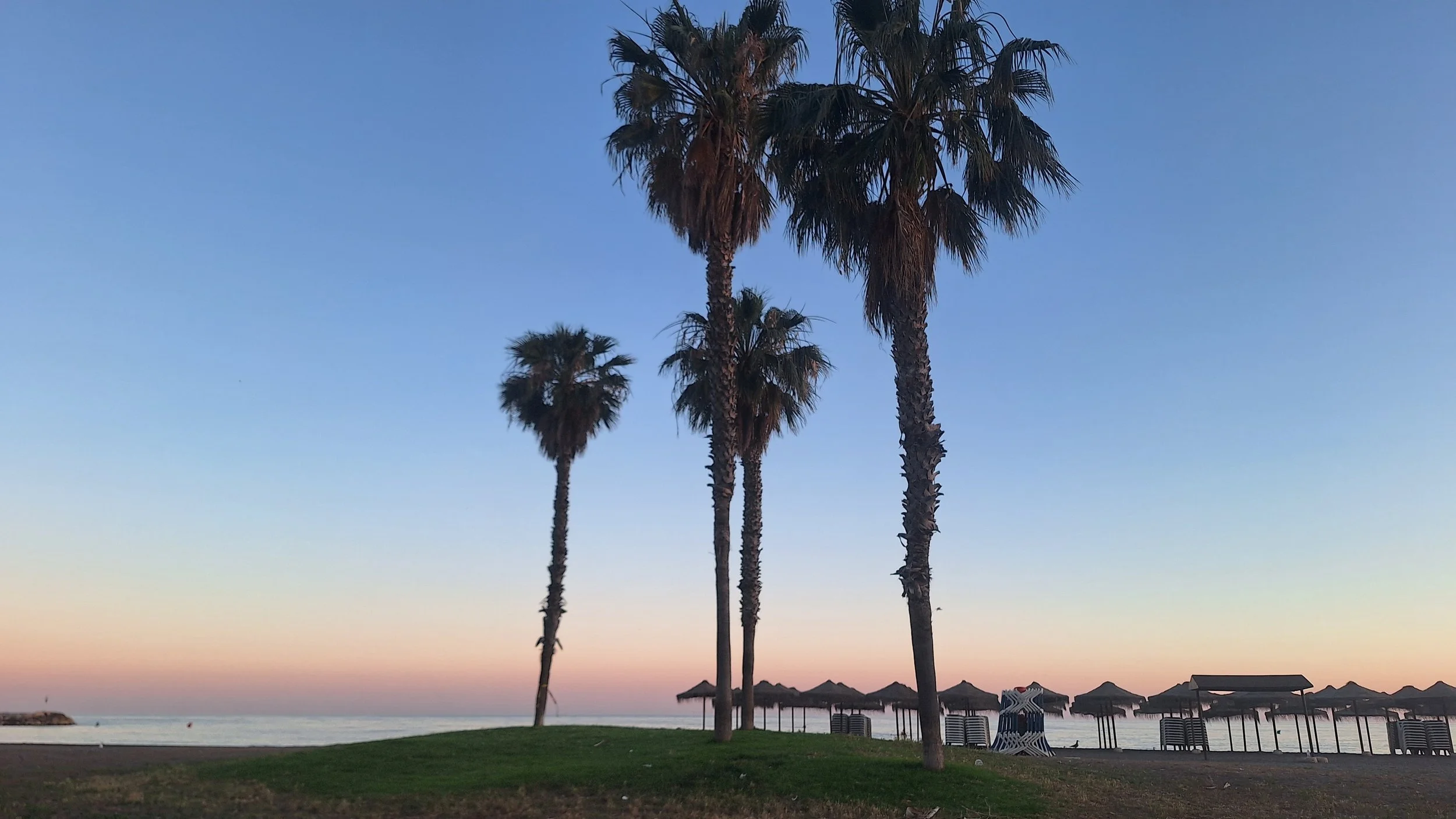
Some people are money-rich. I am time-rich. Drastic changes to my life deflated my bank account, and it was for the best.
How I got rich
When I turned 27, I quit my consultant job and took up shifts in a bike shop. My part-time work just about covered my outgoings. I had time to help my parents move from my childhood home; I could meet friends on their lunch break on the other side of town. I felt a sense of relief. The flexibility that part-time work gave me brought a sense of freedom.
I worked Mondays to Wednesdays in the shop. Thursdays and Fridays, I could choose to pick up freelance jobs here and there, develop new hobbies, or do nothing. I stopped feeling chased by the clock. Little by little, it changed my life and my outlook on time itself.
I then started navigating freelance journalism and seasonal jobs, and I have made sure to carve out as much free time as possible ever since, which has had many unexpected benefits.
How being time-rich changed my way of travelling
My newfound wealth didn’t just change how I lived day to day. The biggest change it triggered was in the way I moved through the world. I had been growing increasingly concerned about the environmental impact of air travel, but at the same time, I was always hungry for discovery and on a tight schedule. My wealth offered the solution: I could take my time to go anywhere, by train, by bike, or a mix of both.
It’s so easy to fly across Europe for a week’s holiday. It’s cheap and fast. Green travel is expensive in terms of both money and time. Getting from London to Malaga by train requires two to three days and about £300, in the optimistic scenario where you don’t spend a night somewhere on the way. Flying there costs about £40 and takes a few hours.
This trade-off turns slow travel into an investment, making every trip more meaningful and thought-through. If I drag myself all the way to southern Spain, usually hauling a bike that European trains require me to pack up and awkwardly carry on one shoulder while balancing my bags on the other, I want to make it worthwhile.
Because I have sacrificed income for time, I can allow myself to stay longer, and it makes the long journey feel worth it. The result? My transport costs divided by the number of days I spend somewhere look far more reasonable, because I might spend a month there.
I either travel by bike and wild camp, so my only expenses are food, or I participate in Workaway programmes, volunteering part-time on building or gardening projects in exchange for room and board.
Privilege bubble or accessible lifestyle?
The single parent of three on minimum wage can’t simply cut down their working time and choose to earn less. That’s obvious. However, the widespread idea that choosing time over money is only possible for the privileged few isn’t entirely true.
Yann, a 43-year-old teacher I contacted through Warmshowers, let me camp in his garden after we shared dinner with his wife, son and neighbours, who are also teachers. It was their annual end-of-school-year barbecue. We set up the grill at the top of Yann’s hilly field and chatted until midnight.
Then we walked down to Yann’s yurt, which he had built himself using simple woodworking tools and free plans he found online. He had paid a professional to make a sturdy insulated roof. The plot of land, somewhere in the countryside south of Lyon, was small, and only 50 square metres of it were buildable. He bought it in 2020 for €24,000 and built the yurt for €6,000.
It was the first time I thought of myself as someone who could actually own a home, and one that wouldn’t come with a 30-year mortgage.
Having chosen to go part-time and build his home himself, Yann now lived a simple and dreamy life, at least to my eyes. Yes, he had to trek through the garden to the bathroom shed if he needed the toilet during the night, but that idea didn’t bother me.
Choosing to earn less, unless you are a very high earner, is a life-changing trade-off. You may not be able to afford big-city rent anymore. You may not be able to go to cocktail bars every week.
But I invite you to go beyond the knee-jerk reaction of ‘I just couldn't do it’ and question whether and how you could build a different life with less.
This message targets people who enjoy a degree of financial comfort, and I can easily be accused of white-collar privilege. For many people, work is a necessary struggle to make ends meet, not a choice.
On the other hand, anyone who earns a wage comfortably above the median and says they simply couldn't have a good life with less money risks being condescending to everyone who earns less than them and is satisfied with their lifestyle.
If you earn a median salary and don't want to move to a tiny house in the middle of a field like Yann, you are not forced to work 40 hours a week; you are choosing to work 40 hours a week to maintain your current lifestyle.
If you are a high earner, why are you a high earner? Do you have a true passion for your high-earning activity, or do you pursue money out of a sense of duty and conformity?
Society doesn't value time equally
Talking about my time-over-money choices has brought me as many approving nods as raised eyebrows.
Am I securing a solid financial foundation for later life? Where has my ambition gone? Why did I even go to university? Will I grow out of this nomadic lifestyle?
Some of my friends who live far away have offered to visit me for two days in the middle of the week, assuming I won’t be working. As if my source of income was mysterious or non-existent.
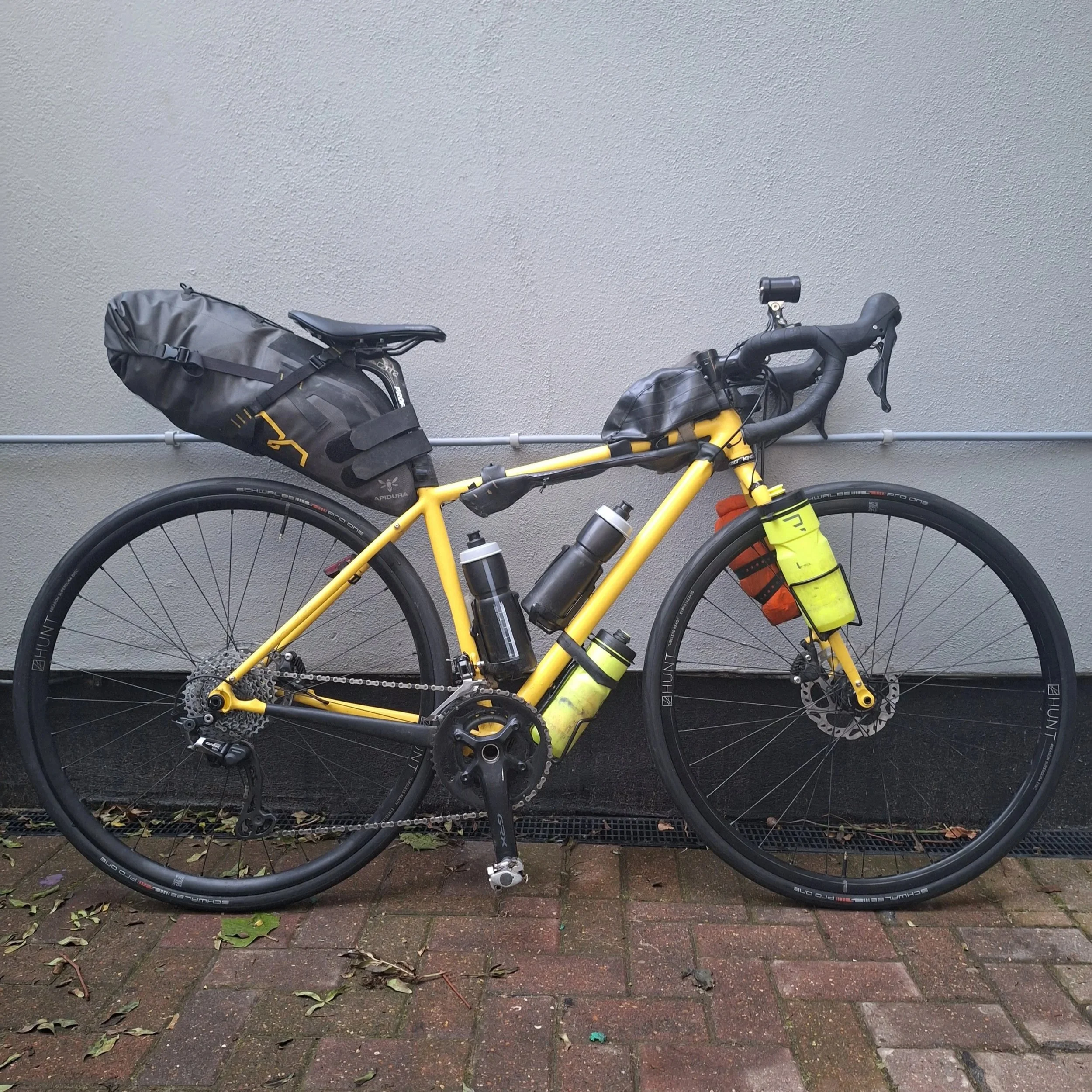
What freedom looks like to me
Where do we go from here?
Nicolas Sarkozy received understandable backlash for his French presidential campaign slogan, ‘Travailler plus pour gagner plus’: work more to earn more. The slogan implied that poverty could be solved simply by working harder, an idea that drew much criticism.
My own slogan doesn't target an entire country. It targets middle-class people stuck in a professional routine that is socially valued, but that they are no longer sure they actually enjoy: work less to earn less.
The system we live under makes time a rare commodity. So ask yourself: would working less actually put you in financial distress, or would it simply delay your next pay rise? Would it allow you to spend more time with your family, a little less money on physiotherapists trying to compensate for years spent sitting at a desk, and a little less time at the doctor's trying to fix seasonal affective disorder and vitamin D deficiency?
For some people, there is no choice: they need every hour they can get paid for. But for many middle- and high-income earners, working long hours has become the default rather than a conscious decision.
Once your basic needs are covered, the question shouldn’t be ‘How much more can I earn?’ but ‘What am I buying with the hours of my life?’
And perhaps, sometimes, the answer is that buying back some of your time is the best investment you can make.
